Types of Brain Stroke: Understanding What Happens Inside the Brain
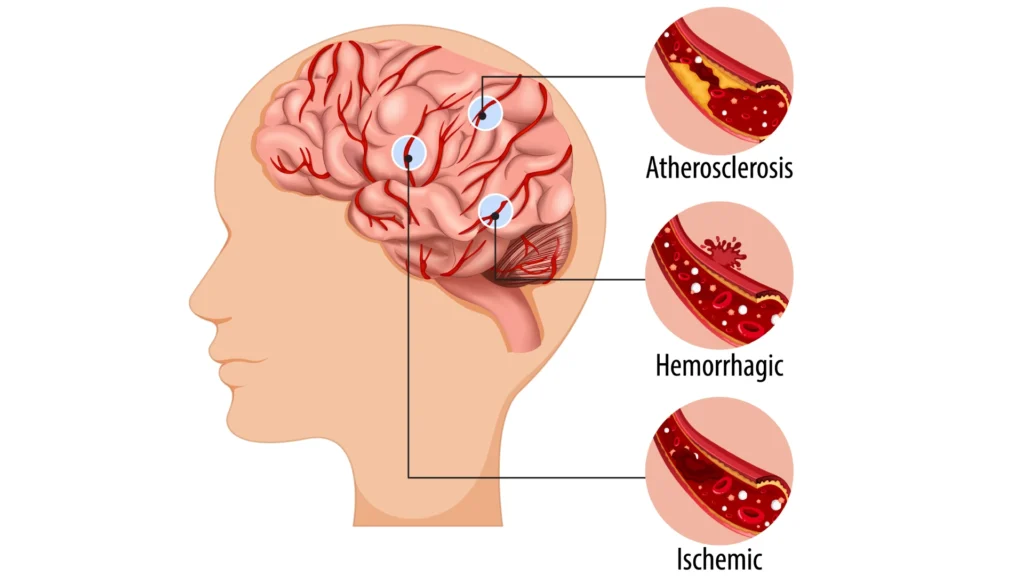
When people hear the word stroke, they often imagine a single event with a single cause. In reality, brain stroke is not one condition, but several, each with a different mechanism, risk profile, and treatment approach.
Understanding the types of brain stroke is essential—not for medical curiosity, but for faster recognition, better response, and improved outcomes.
The Common Thread: What All Strokes Share
Regardless of type, every stroke involves an interrupted blood supply to the brain. Brain cells rely on a continuous flow of oxygen and nutrients. When that flow stops—even briefly—brain tissue begins to suffer damage.
What differs is why the blood flow stops.
1. Ischemic Stroke: When a Vessel Is Blocked
Ischemic stroke accounts for nearly 80–85% of all strokes, making it the most common type.
What Happens?
A blood vessel supplying the brain becomes blocked, usually by a clot. This prevents oxygen-rich blood from reaching brain tissue.
Subtypes of Ischemic Stroke
a) Thrombotic Stroke
- A clot forms within an artery supplying the brain
- Often linked to atherosclerosis (fatty plaque buildup)
- May develop gradually, sometimes during sleep
b) Embolic Stroke
- A clot forms elsewhere in the body, often the heart
- The clot travels through the bloodstream and lodges in a brain artery
- Symptoms are usually sudden and severe
Heart rhythm disorders like atrial fibrillation are a major risk factor.
2. Hemorrhagic Stroke: When a Vessel Bursts
Hemorrhagic strokes occur when a blood vessel ruptures, causing bleeding in or around the brain. Though less common, they are often more severe.
What Happens?
Blood leaks into surrounding brain tissue, increasing pressure and damaging cells.
Subtypes of Hemorrhagic Stroke
a) Intracerebral Hemorrhage
- Bleeding occurs within the brain tissue
- Commonly caused by long-standing high blood pressure
- Symptoms may worsen rapidly as bleeding expands
b) Subarachnoid Hemorrhage
- Bleeding occurs in the space between the brain and the thin tissues covering it
- Often caused by a ruptured aneurysm
- Frequently described as “the worst headache of life.”
3. Transient Ischemic Attack (TIA): The Warning Stroke
Often called a mini-stroke, a TIA is not harmless.
What Happens?
A temporary blockage reduces blood flow to the brain, but the clot dissolves or moves before permanent damage occurs.
Key Characteristics
- Stroke-like symptoms lasting minutes to hours
- No lasting neurological damage
- Extremely high risk of a major stroke in the near future
A TIA is the brain’s final warning signal—and should never be ignored.
4. Cryptogenic Stroke: When the Cause Is Unknown
In some cases, a stroke occurs despite extensive evaluation failing to identify a clear cause.
Why It Matters
- May involve hidden heart rhythm issues
- Requires long-term monitoring
- Treatment focuses on preventing recurrence
Not knowing the cause does not mean the risk is low.
5. Rare Stroke Types You Should Know About
Though uncommon, these types are clinically significant:
a) Lacunar Stroke
- A small ischemic stroke affecting deep brain structures
- Often linked to diabetes and hypertension
- May cause subtle but lasting deficits
b) Cerebral Venous Sinus Thrombosis
- A clot forms in veins draining blood from the brain
- More common in younger individuals
- Symptoms include headache, seizures, and vision problems
Why Stroke Type Determines Treatment
Treatment that saves lives in one stroke type can be dangerous in another.
For example:
- Clot-busting therapy helps ischemic stroke
- The same treatment can be fatal in a hemorrhagic stroke
This is why rapid brain imaging is critical before treatment begins.
Recognizing Stroke Early Still Matters—Every Time
Regardless of type, stroke symptoms often include:
- Sudden weakness or numbness
- Difficulty speaking or understanding
- Vision loss
- Severe headache
- Loss of balance
The faster the response, the more brain can be saved.
Bottom Line
A brain stroke is not a single disease—it is a category of neurological emergencies, each with its own cause and consequences.
Understanding the types of strokes helps demystify the condition and reinforces one crucial message:
When stroke symptoms appear, the cause can be sorted out later.
Acting immediately is what saves the brain.