Brain & Spinal Cord Injuries: Trauma to the Central Nervous System
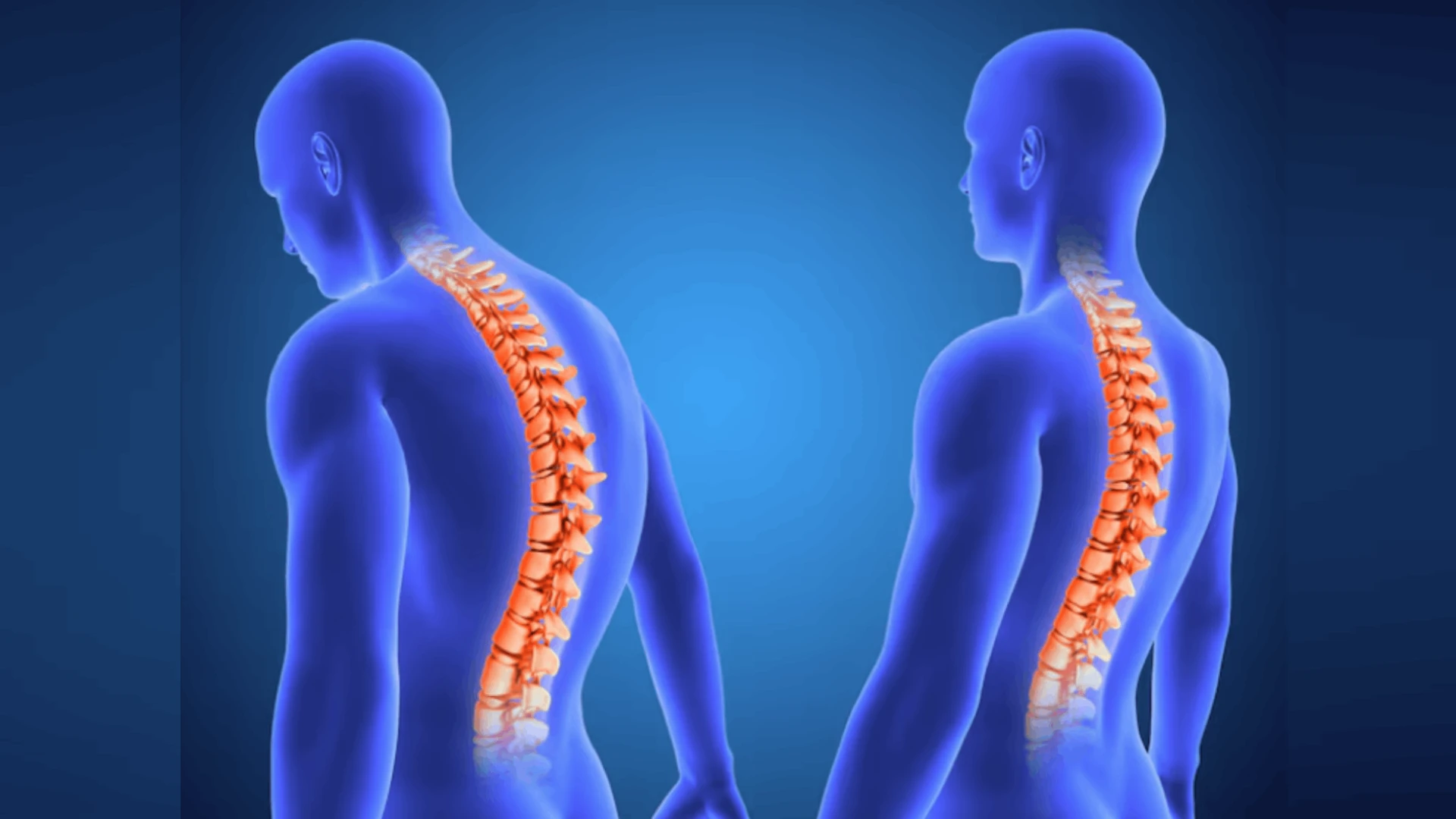
Injuries to the brain and spinal cord represent some of the most complex and life-altering conditions in medicine. Together, they affect the central nervous system (CNS)—the body’s command center responsible for movement, sensation, cognition, and vital life functions. Even minor trauma can have lasting effects, while severe injuries may result in permanent disability or life-threatening complications.
Understanding these injuries is essential not only for prevention but also for timely recognition, treatment, and rehabilitation.
What Are Brain and Spinal Cord Injuries?
Brain and spinal cord injuries occur when external force, trauma, or reduced blood/oxygen supply damages neural tissue.
- Brain injury affects thinking, memory, emotions, coordination, and consciousness.
- Spinal cord injury (SCI) disrupts communication between the brain and the rest of the body, affecting movement and sensation below the level of injury.
Although distinct, these injuries often share causes, symptoms, and management strategies.
Types of Brain Injuries
1. Traumatic Brain Injury (TBI)
Traumatic Brain Injury occurs when a sudden physical force injures the brain. Common causes include road traffic accidents, falls, sports injuries, and assaults.
Severity levels include:
- Mild TBI (Concussion): Temporary symptoms such as headache, confusion, or brief loss of consciousness
- Moderate TBI: Longer loss of consciousness and cognitive impairment
- Severe TBI: Extended unconsciousness or coma with significant brain damage
2. Acquired Brain Injury (ABI)
Acquired Brain Injury is not caused by trauma but by internal events such as:
- Stroke
- Brain infections
- Oxygen deprivation
- Brain tumors
- Toxic or metabolic disturbances
ABI often develops suddenly and may cause permanent neurological deficits.
Types of Spinal Cord Injuries
Spinal cord injuries are classified based on location and completeness.
By Level of Injury
- Cervical (neck): Can affect arms, legs, and breathing
- Thoracic (upper back): Affects trunk and legs
- Lumbar and sacral: Affects legs, bowel, and bladder control
By Completeness
- Complete SCI: Total loss of movement and sensation below the injury
- Incomplete SCI: Partial preservation of motor or sensory function
Common Causes of CNS Injuries
Ask yourself: What everyday risks could threaten the brain or spinal cord?
The most frequent causes include:
- Road traffic accidents
- Falls (especially in elderly individuals)
- Sports and recreational injuries
- Violence or physical assault
- Workplace accidents
- Diving into shallow water
- Medical conditions such as stroke or infections
Symptoms: How Do These Injuries Present?
Brain Injury Symptoms
- Headache or pressure
- Confusion or memory loss
- Dizziness or nausea
- Sensory disturbances (vision, hearing)
- Changes in mood or behavior
- Seizures or loss of consciousness
Spinal Cord Injury Symptoms
- Weakness or paralysis
- Loss of sensation
- Numbness or tingling
- Loss of bladder or bowel control
- Difficulty breathing (in high cervical injuries)
- Chronic pain or muscle spasms
Symptoms may appear immediately or develop gradually over hours to days.
Why These Injuries Are Medically Critical
The brain and spinal cord do not regenerate like other tissues. Damage can interrupt nerve signaling permanently, making early diagnosis and intervention crucial. Secondary injury—caused by swelling, bleeding, or reduced blood flow—can worsen outcomes if not promptly managed.
Diagnosis and Medical Evaluation
Accurate diagnosis involves a combination of:
- Detailed medical history and neurological examination
- Imaging studies (CT scan, MRI)
- Glasgow Coma Scale (for brain injury severity)
- Spinal stability and reflex assessments
- Ongoing monitoring for complications
Early assessment significantly influences long-term recovery.
Treatment and Management Approaches
Acute Medical Care
- Stabilization of airway, breathing, and circulation
- Prevention of further neurological damage
- Control of brain swelling or spinal pressure
- Surgical intervention when required
Rehabilitation
Recovery does not end after hospital discharge. Long-term rehabilitation may include:
- Physical therapy to restore mobility and strength
- Occupational therapy to improve daily function
- Speech and cognitive therapy
- Psychological support and counseling
Rehabilitation is often individualized and evolves with recovery.
Long-Term Effects and Complications
Some individuals recover fully, while others experience long-term challenges such as:
- Cognitive impairment
- Chronic pain
- Emotional and behavioral changes
- Mobility limitations
- Increased risk of infections or pressure sores
Ongoing medical follow-up plays a key role in managing these complications.
Prevention: The Most Effective Strategy
Consider how many injuries are preventable. Simple measures include:
- Wearing helmets and seatbelts
- Avoiding distracted or impaired driving
- Fall-prevention strategies for older adults
- Proper sports training and protective gear
- Workplace safety compliance
Preventive actions significantly reduce the global burden of CNS injuries.
When to Seek Emergency Care
Immediate medical attention is essential if someone experiences:
- Loss of consciousness
- Sudden weakness or paralysis
- Severe head or neck trauma
- Difficulty breathing
- Seizures
- Confusion or worsening neurological symptoms
Early intervention can save lives and preserve neurological function.
Conclusion
Brain and spinal cord injuries are complex, high-impact conditions that demand timely recognition, expert care, and long-term rehabilitation. While modern medicine has improved survival and recovery outcomes, prevention remains the most powerful tool. Awareness, safety practices, and early medical evaluation can dramatically change the course of these injuries—transforming outcomes and improving quality of life.