Epilepsy in Adults: Living with a Condition That Goes Beyond Seizures
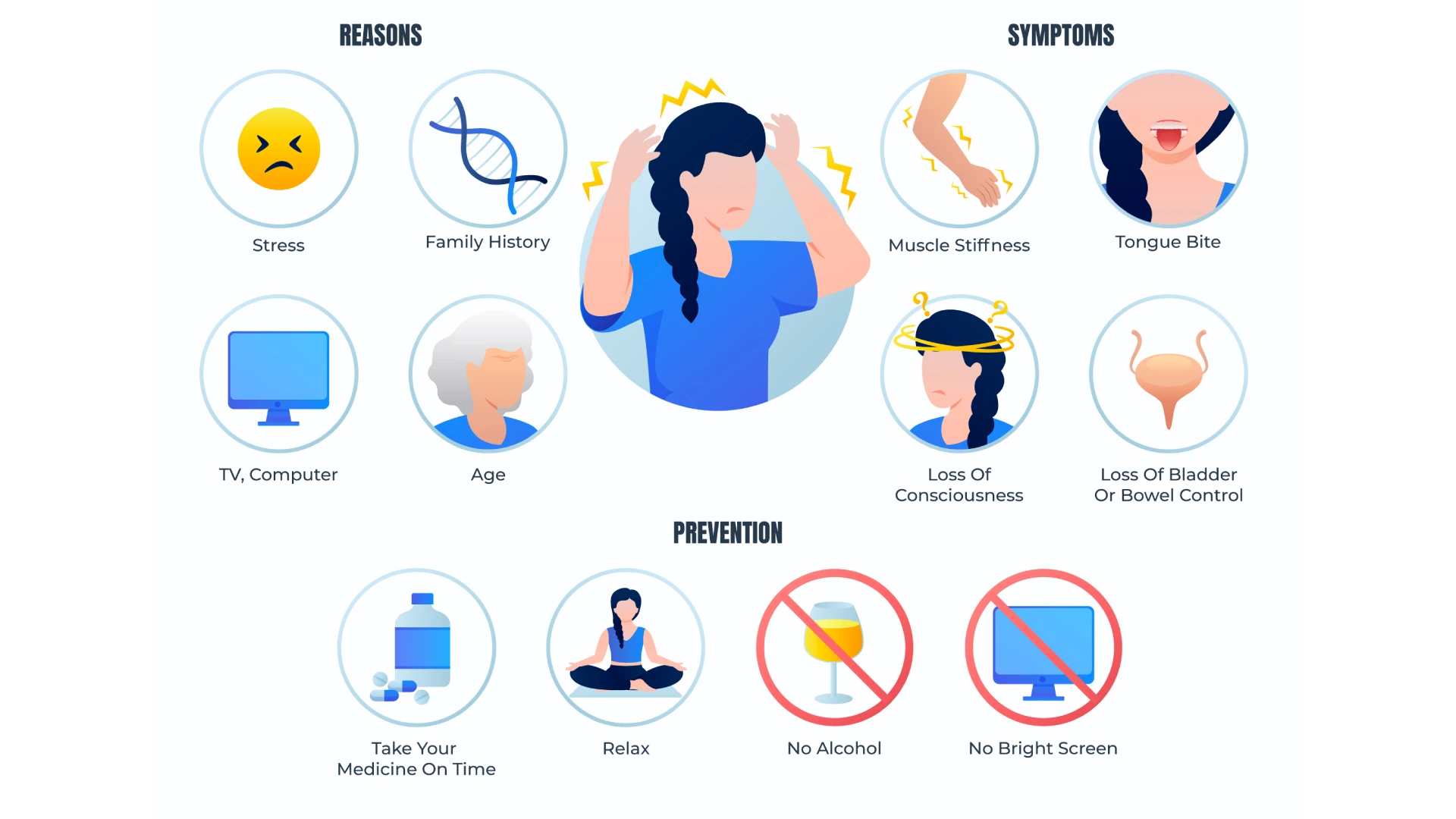
Epilepsy in adulthood is often misunderstood. Many assume it begins in childhood or is defined solely by dramatic convulsions. In reality, adult epilepsy is a complex neurological condition that can begin at any age and present in ways that are subtle, disruptive, and frequently misdiagnosed.
Understanding epilepsy is the first step toward control, confidence, and quality of life.
What Is Epilepsy?
Epilepsy is a chronic neurological disorder characterized by a tendency to have recurrent, unprovoked seizures. A seizure occurs when abnormal electrical activity in the brain disrupts normal function.
One seizure does not equal epilepsy. The diagnosis requires a pattern or ongoing risk of seizures.
Why Epilepsy Can Begin in Adulthood
Epilepsy is not limited to childhood. In adults, it may develop due to:
- Previous brain injury or stroke
- Brain infections
- Brain tumors
- Structural abnormalities
- Genetic predisposition
- Unknown causes (which are common)
In older adults, epilepsy is increasingly linked to vascular disease and neurodegenerative conditions.
Seizures in Adults: Not Always Obvious
Adult seizures do not always involve convulsions.
Common Seizure Types in Adults
- Focal seizures: Affect one area of the brain
- May cause brief confusion, unusual sensations, staring, or repetitive movements
- Focal seizures with impaired awareness: Alter consciousness without complete loss
- Generalized seizures: Affect both sides of the brain and may involve loss of consciousness and body stiffening
Many adults live with undiagnosed epilepsy because seizures are mistaken for anxiety, fainting, or sleep disorders.
Warning Signs You Should Not Ignore
Seizures may announce themselves subtly:
- Sudden episodes of confusion
- Unexplained memory gaps
- Repetitive movements without awareness
- Sudden emotional changes without trigger
- Brief staring spells
Ask yourself: Have I experienced episodes I cannot fully explain or remember?
How Is Epilepsy Diagnosed?
Diagnosis involves more than a single test.
Evaluation typically includes:
- Detailed medical and seizure history
- Neurological examination
- EEG to assess brain electrical activity
- Brain imaging such as MRI
- Blood tests to rule out reversible causes
Accurate diagnosis is essential for effective treatment.
Treatment: Control, Not Cure—But Control Is Powerful
Epilepsy treatment aims to prevent seizures and minimize side effects.
Management may include:
- Anti-seizure medications tailored to seizure type
- Lifestyle adjustments (sleep, stress, alcohol moderation)
- Treatment of underlying causes
- Surgical or device-based therapy in select cases
With proper treatment, many adults achieve long-term seizure control.
Living With Epilepsy: Daily Life Matters
Epilepsy affects more than health—it influences work, driving, relationships, and mental well-being.
Key considerations include:
- Medication adherence
- Sleep hygiene
- Stress management
- Safety planning
- Emotional support
Open communication with healthcare providers empowers patients to live independently and confidently.
Myths That Still Need to Go
- Myth: Epilepsy means constant seizures
Reality: Many people are seizure-free for years - Myth: Adults with epilepsy cannot work or live normally
Reality: Most lead full, productive lives - Myth: Epilepsy is always inherited
Reality: Many cases have no genetic cause
When Should an Adult Seek Medical Advice?
Consult a doctor if you experience:
- A first-time seizure
- Recurrent unexplained episodes
- Seizures despite treatment
- New neurological symptoms
Early care prevents complications and improves outcomes.
The Takeaway
Epilepsy in adults is not a limitation—it is a condition that requires understanding, structure, and expert care.
With accurate diagnosis, modern treatment, and informed self-management, epilepsy becomes a part of life—not the center of it.
Knowledge replaces fear.
Control replaces chaos.
And life moves forward—confidently.