Sinus Headaches: When Pressure, Pain, and Congestion Tell a Deeper Story
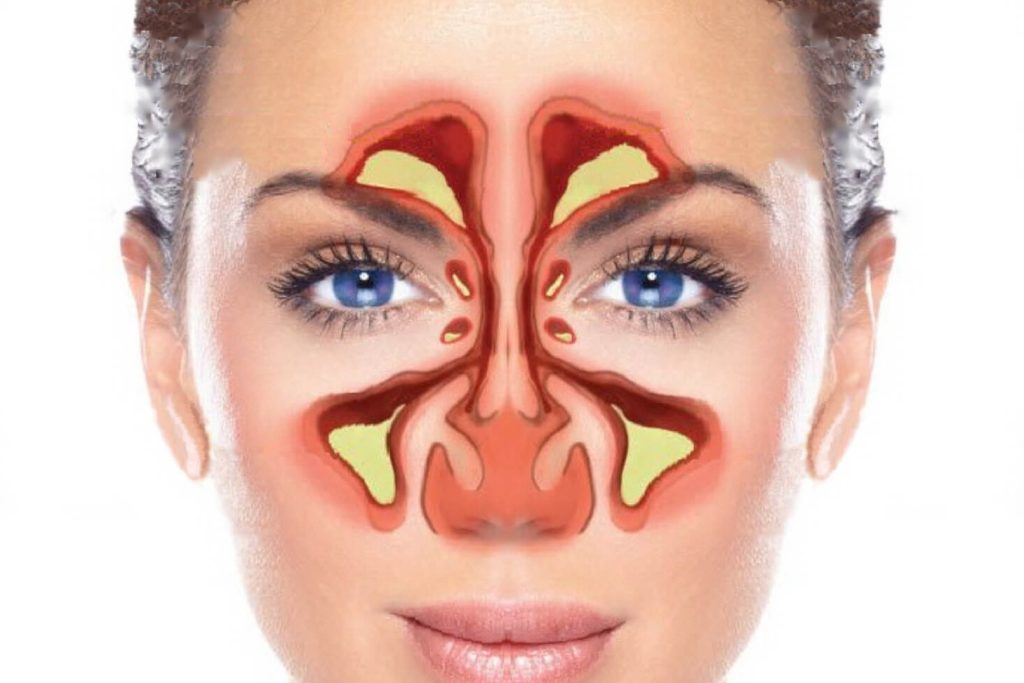
A heavy head. A blocked nose. Pain that worsens when you bend forward. Most people instantly label this combination a “sinus headache.” But here’s an important question few ask:
Understanding sinus headaches requires separating myths from medical reality.
What Is a Sinus Headache—Really?
A sinus headache is pain caused by inflammation or infection of the sinuses—the air-filled cavities located behind the forehead, cheeks, nose, and eyes.
When the lining of these sinuses becomes swollen, normal drainage is blocked. Pressure builds up, and pain follows.
True sinus headaches are not just head pain. They are part of a broader sinus condition, usually sinusitis.
How Sinus Headache Pain Feels Different
Sinus headache pain has a distinct pattern:
- Deep, dull pressure rather than sharp pain
- Pain centered around the forehead, cheeks, bridge of the nose, or behind the eyes
- Worsens when bending forward, lying down, or making sudden head movements
- Often accompanied by facial tenderness
Many people describe it as a “full” or “heavy” head, as if pressure is pushing outward from inside.
Symptoms That Point Toward a Sinus Cause
Head pain alone is rarely enough to confirm a sinus headache. Look for accompanying symptoms such as:
- Nasal congestion or blockage
- Thick nasal discharge (yellow or green)
- Post-nasal drip
- Reduced sense of smell
- Facial swelling or puffiness
- Fever or fatigue
- Tooth pain (especially upper teeth)
If these symptoms are absent, the headache may not be sinus-related.
A Common Misconception: Migraine vs Sinus Headache
This is where confusion often begins.
Studies show that many headaches labeled as “sinus headaches” are actually migraines.
Why the mix-up?
- Migraines can cause facial pressure
- Migraines may include nasal congestion or watery eyes
- Weather changes can trigger both
However, migraines typically include:
- Throbbing pain
- Sensitivity to light or sound
- Nausea
True sinus headaches are rare without active sinus infection or inflammation.
What Triggers Sinus Headaches?
Sinus headaches often follow:
- Upper respiratory infections (common cold or flu)
- Allergic rhinitis
- Sudden weather or pressure changes
- Exposure to pollutants or smoke
- Structural nasal issues affecting drainage
Chronic sinus problems can lead to recurrent headaches if left untreated.
Acute vs Chronic Sinus Headaches
- Acute sinus headaches develop suddenly, usually with infection, and resolve with proper treatment.
- Chronic sinus headaches persist for weeks or recur frequently, often linked to ongoing sinus inflammation.
Chronic symptoms should never be dismissed as “just allergies.”
What Triggers Sinus Headaches?
Sinus headaches often follow:
- Upper respiratory infections (common cold or flu)
- Allergic rhinitis
- Sudden weather or pressure changes
- Exposure to pollutants or smoke
- Structural nasal issues affecting drainage
Chronic sinus problems can lead to recurrent headaches if left untreated.
How Are Sinus Headaches Managed?
Treatment focuses on relieving sinus inflammation and restoring drainage, not just masking pain.
Management may include:
- Treating underlying infections or allergies
- Reducing nasal inflammation
- Hydration to thin mucus
- Steam inhalation or saline rinses
- Medical evaluation when symptoms persist
Repeated use of painkillers without addressing the cause may worsen the problem.
When Should You See a doctor?
Seek medical attention if:
- Headache lasts more than 7–10 days
- Pain worsens despite treatment
- Fever, facial swelling, or vision changes occur
- Headaches keep returning
Early evaluation helps prevent complications and avoid unnecessary medication use.
Bottom Line
A sinus headache is not just a headache—it is a symptom of sinusitis.
Treating it effectively means understanding what is happening inside your sinuses, rather than guessing based on symptoms alone.
Therefore, the next time your head feels heavy and your face aches, pause and ask:
Is my sinus actually the culprit—or is my headache telling a different story?
Listening carefully is the first step toward lasting relief.