Understanding Transient Ischemic Attack (TIA): A Clear, Action-Oriented Guide
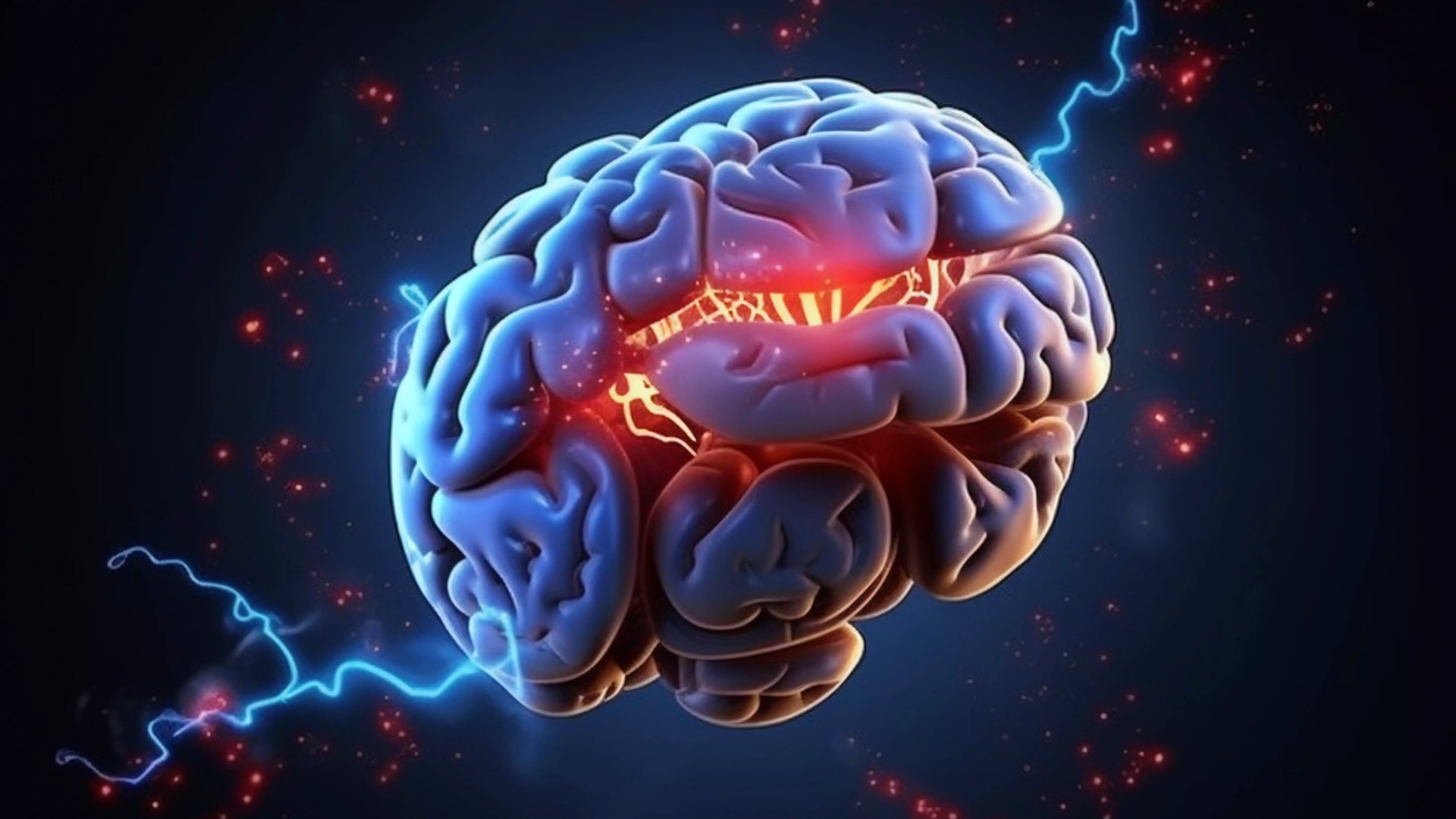
Imagine experiencing symptoms similar to a stroke — sudden weakness, trouble speaking, or vision changes — but then they disappear within minutes. This unsettling event is often a Transient Ischemic Attack (TIA), also known as a “mini-stroke.” Unlike a full stroke, a TIA does not leave lasting brain damage, yet it is a critical warning sign that a major stroke could occur soon unless preventive action is taken.
What Is a Transient Ischemic Attack (TIA)?
A TIA occurs when blood flow to a part of the brain is briefly blocked or reduced, usually by a tiny clot. This interruption starves brain cells of oxygen momentarily, triggering stroke-like symptoms that typically resolve within a few minutes to hours — often within 30 minutes. By definition, symptoms disappear within 24 hours without permanent brain injury.
Although temporary, a TIA is a medical emergency. It signals an elevated risk of a future stroke — particularly within the next 48 hours to 90 days — making rapid assessment and treatment essential.
What Causes a TIA?
The most common cause of a TIA is embolism or thrombosis — a blood clot that blocks blood vessels in the brain momentarily. These clots often originate from:
- Atherosclerosis (narrowed arteries)
- Heart conditions such as atrial fibrillation
- Carotid artery disease (plaques in neck arteries)
- Small vessel disease in the brain’s circulation
When the clot dissolves or moves on, blood flow restores and symptoms vanish — but the warning remains.
Recognizing TIA Symptoms: Act Fast
TIA symptoms come on suddenly and may include:
- Weakness, numbness, or paralysis on one side of the face or body
- Difficulty speaking or understanding speech
- Vision changes in one or both eyes
- Dizziness, loss of balance or coordination
- Severe headache with no known cause
Because symptoms resolve quickly, some people delay medical care — a dangerous choice. Immediate evaluation can reduce stroke risk and save brain function.
Easy Memory Aid: Act FAST
The FAST acronym helps you recognize stroke and TIA symptoms quickly:
- F — Face Drooping: Ask the person to smile. Is one side drooping?
- A — Arm Weakness: Can they raise both arms? Does one drift down?
- S — Speech Difficulty: Is speech slurred or strange?
- T — Time to Call Emergency Services: Even if symptoms disappear, call immediately.
A TIA should always be treated like an acute stroke until proven otherwise.
How Is TIA Diagnosed?
Because symptoms fade, diagnosis relies on imaging and tests:
- Brain Imaging (MRI or CT): To rule out acute stroke or other causes.
- Carotid Ultrasound: Assesses blood flow in neck arteries.
- Echocardiogram: Detects cardiac sources of clots.
- Blood Tests: Check cholesterol, glucose, clotting factors, and cardiac risk markers.
- Electrocardiogram (ECG): Identifies heart rhythm problems.
The goal is to confirm that a TIA occurred and determine what triggered it so that future stroke risk can be minimized.
Treatment: Reducing Your Stroke Risk
Because TIAs often herald a future stroke, treatment focuses on prevention, including:
Medications
- Antiplatelet drugs (e.g., aspirin) to prevent clots
- Anticoagulants (blood thinners) for certain heart conditions
- Statins to lower cholesterol
- Blood pressure medicines to control hypertension
Lifestyle Changes
- Quit smoking
- Eat a heart-healthy diet
- Maintain a healthy weight
- Exercise regularly
- Control diabetes and hypertension
Interventional Procedures
In select cases:
- Carotid endarterectomy (removal of arterial plaque)
- Angioplasty and stenting of narrowed vessels
Why Immediate Care Matters
A TIA is not just a fleeting event — it’s a critical warning. Research shows that:
- About 1 in 3 people who have a TIA will eventually have a stroke.
- Half of those strokes occur within 48 hours to 90 days after the TIA.
The clock starts with your first symptoms — acting quickly can dramatically reduce your risk.
Prevention: Your Best Strategy
Because the same risk factors underlie TIAs and strokes, prevention focuses on maintaining vascular health:
- Control blood pressure
- Lower LDL cholesterol
- Manage diabetes
- Stay active and eat a balanced diet
- Avoid tobacco and limit alcohol
Regular check-ups and monitoring empower you to stay ahead of preventable triggers.
Conclusion: Take the TIA Warning Seriously
A Transient Ischemic Attack is more than a brief health scare — it is an urgent signal that your brain’s blood supply has been compromised. Recognizing symptoms, acting FAST, and seeking immediate care can significantly lower your risk of a future stroke.
If you or someone near you experiences sudden neurological symptoms — seek emergency care right away. Your actions today can protect your tomorrow.