Movement Disorders: The Conditions Affecting How We Move
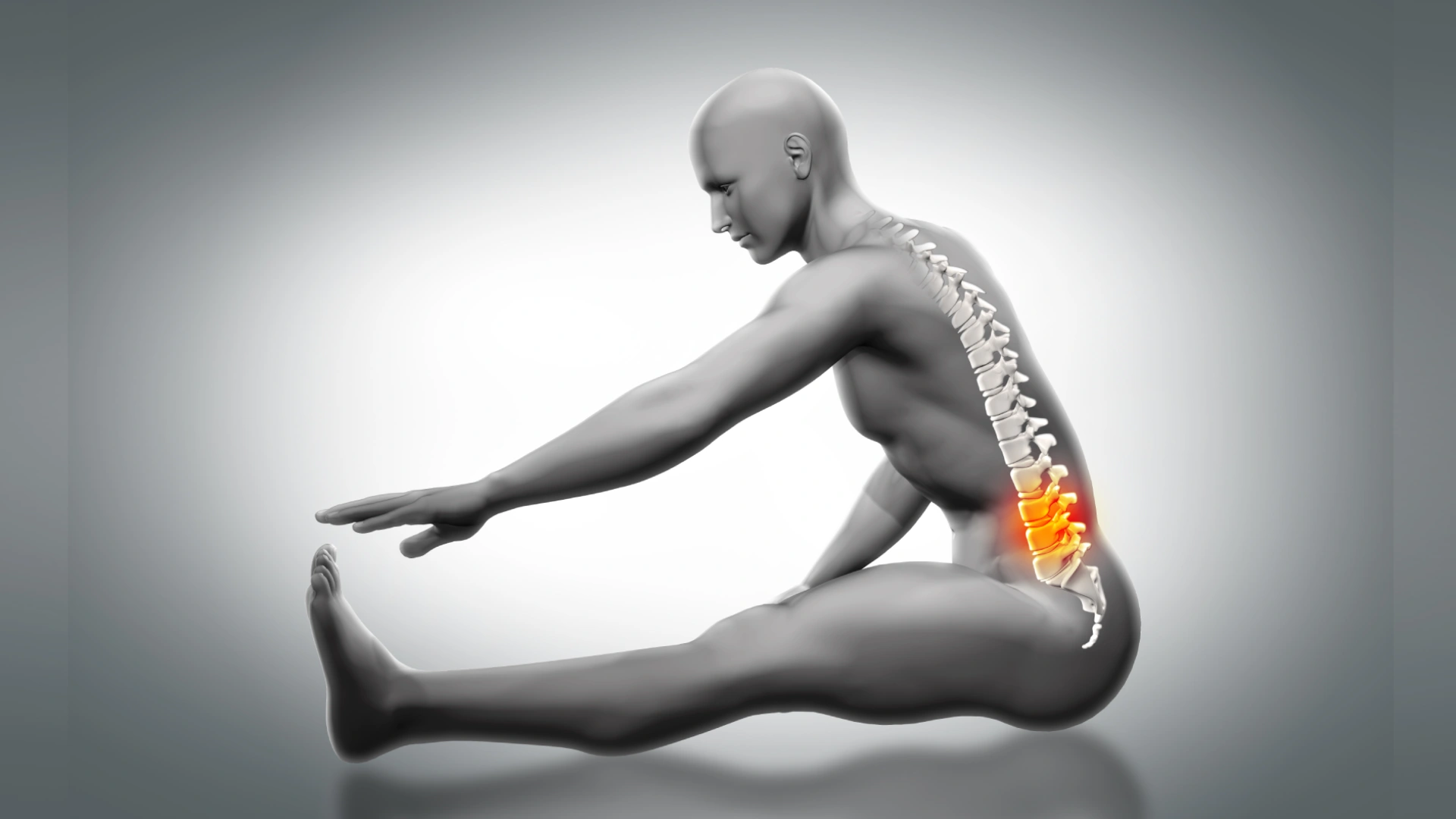
Movement is something most of us take for granted—until it changes. A movement disorder refers to a group of neurological conditions that disrupt the normal control of physical actions, resulting in movements that are either too fast, too slow, involuntary, or poorly coordinated. These conditions can affect daily life, independence, and emotional well-being.
What Are Movement Disorders?
Movement disorders are conditions that arise when parts of the nervous system—including the brain, spinal cord, and peripheral nerves—do not communicate properly with the muscles that control movement. They may cause:
- Excessive movement: such as tremors, spasms, or jerking
- Reduced movement: such as slowed initiation of motion or stiffness
- Involuntary movement, such as tics or writhing
- Poor coordination or balance problems
Not all mobility issues fall under movement disorders; conditions that solely weaken muscles or cause paralysis (e.g., muscular dystrophy) are generally not classified as such.
How Do Movement Disorders Affect the Body?
Every voluntary movement—walking, talking, writing—depends on a tightly controlled network of signals from the brain to the muscles and back. Movement disorders disrupt this system, often due to:
- Malfunction in brain structures that coordinate motion (like the basal ganglia)
- Neurotransmitter imbalances (such as dopamine loss in Parkinson’s disease)
- Genetic mutations in inherited conditions
- Injury or toxic effects on nerve cells
Accordingly, symptoms vary widely in presentation and severity.
Common Types of Movement Disorders
Below are some of the better-known movement disorders, with illustrative descriptions:
1. Parkinson’s Disease
A progressive neurological disorder in which cells that produce dopamine—an essential chemical for smooth movement—degenerate. Symptoms include tremors at rest, slow or stiff movement, poor balance, and changes in speech.
2. Essential Tremor
A common disorder that often affects the hands during voluntary motion, but it can also involve the head, voice, or other areas. Unlike Parkinson’s tremor, essential tremor typically occurs with action (e.g., when writing or drinking).
3. Dystonia
Characterized by sustained muscle contractions that cause twisting, repetitive movements, or abnormal postures. It may affect one body part (focal dystonia) or be more widespread.
4. Chorea and Athetosis
- Chorea involves brief, irregular, unpredictable movements.
- Athetosis involves slow, continuous writhing motions, especially in hands and feet. These often occur in conditions like Huntington’s disease.
5. Tourette Syndrome
A neurological condition characterized by repetitive, involuntary movements and vocalizations, known as tics. Symptoms often begin in childhood and can change or improve over time.
6. Restless Legs Syndrome (RLS)
Not marked by uncontrolled external movements but by an uncontrollable urge to move the legs, usually at rest or during sleep, often accompanied by discomfort.
7. Huntington’s Disease and Other Genetic Disorders
Huntington’s disease causes progressive, unpredictable movements and cognitive decline. Its onset is typically in mid-adulthood, and it is inherited in an autosomal dominant pattern.
Symptoms to Watch For
Movement disorders may produce a range of symptoms, including:
- Tremors, shaking, or jerks
- Slowness of movement or difficulty initiating motion
- Muscle rigidity or stiffness
- Poor coordination or balance issues
- Abnormal postures or repetitive movements
- Difficulty walking, speaking, or swallowing
Symptoms may begin slowly and worsen over time or appear suddenly, depending on the underlying disorder.
How Are Movement Disorders Diagnosed?
Diagnosis starts with a clinical neurological examination and thorough medical history. Depending on the case, your healthcare provider may order:
- Blood tests to detect metabolic or genetic contributors
- Imaging studies like MRI or CT to assess brain structure
- Electromyography (EMG) to test muscle and nerve function
- Specific scans, such as dopamine transporter (DAT) imaging for Parkinsonism
Because many movement disorders share overlapping presentations, accurate diagnosis often requires expertise and may take time.
Treatment and Management
While many movement disorders are chronic, treatments can significantly improve function and quality of life. Options include:
Medications
- Dopaminergic agents (e.g., levodopa) for Parkinson’s
- Muscle relaxants for dystonia
- Medications to suppress involuntary movements
Therapies
- Physical therapy for strength, gait, and balance
- Occupational therapy to support daily tasks
- Speech therapy when communication or swallowing is affected
Advanced Interventions
- Botulinum toxin (Botox) injections to reduce muscle overactivity
- Deep Brain Stimulation (DBS): A surgical procedure that modulates abnormal brain signals for conditions like Parkinson’s and dystonia
Support and Lifestyle
Psychological support, sleep management, and adaptive devices may also be helpful in daily living.
Living with a Movement Disorder
Movement disorders can present complex challenges that affect physical, emotional, and social well-being. Regular communication with healthcare providers and participation in support networks can empower individuals to manage symptoms effectively. Rehabilitation and individualized treatment adjustments are key components of long-term care.
When to Seek Medical Help
It is advisable to consult a clinician when you or a loved one:
- Notices persistent, unusual movements
- Experiences increasing difficulty with daily activities
- Develops symptoms that interfere with balance or safety
Early evaluation and targeted management often lead to better outcomes.
Conclusion
Movement disorders are a diverse group of neurological conditions that can affect motion, coordination, and control—from tremors and involuntary jerks to slowed or uncoordinated movement. Although many movement disorders cannot be cured, evidence-based treatments and therapies can significantly improve quality of life. With accurate diagnosis, appropriate therapy, and supportive care, people living with these disorders can achieve meaningful functional improvement and independence.