
Epilepsy in Children: Understanding Seizures Beyond the Fear
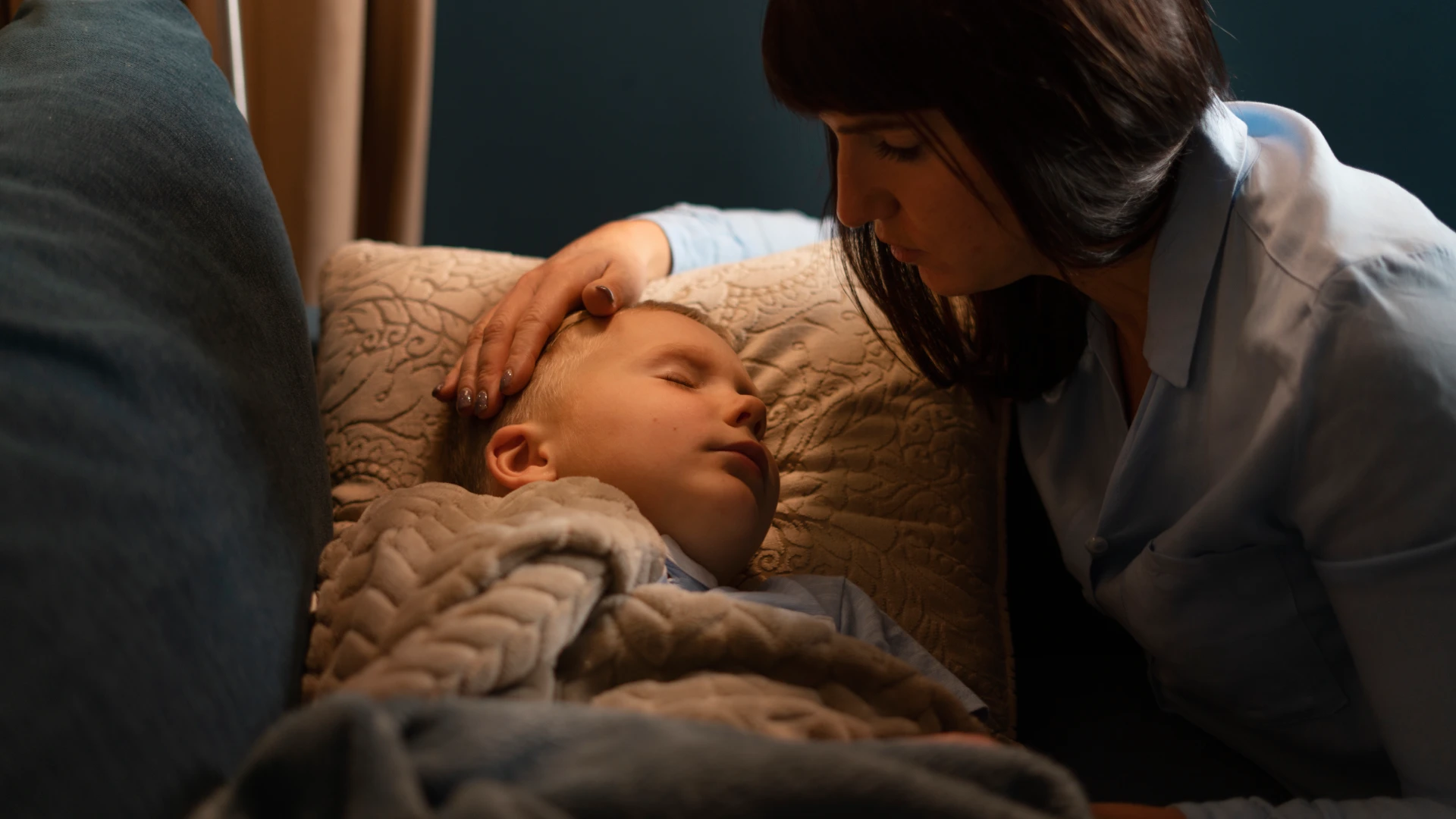
Few words worry parents as much as “epilepsy.” When seizures appear in a child, fear quickly follows—fear of brain damage, lifelong disability, or a future filled with limitations. The reality, however, is far more hopeful.
Childhood epilepsy is common, manageable, and in many cases, temporary. Knowledge turns panic into preparedness.
What Is Epilepsy in Children?
Epilepsy is a neurological condition in which a child tends to experience recurrent, unprovoked seizures. A seizure happens when there is a sudden burst of abnormal electrical activity in the brain.
Not every seizure means epilepsy. Fever, infections, or metabolic disturbances can cause one-time seizures without epilepsy.
Why Does Epilepsy Occur in Children?
In children, epilepsy may arise due to:
- Genetic factors
- Brain development differences
- Birth-related brain injury
- Brain infections
- Head injury
- Unknown causes (which are very common)
In many children, no clear cause is ever found, and this does not worsen the outcome.
Seizures in Children: They Don’t Always Look Dramatic
Many parents expect seizures to look like full-body shaking. In reality, childhood seizures can be subtle.
Common seizure types in children include:
- Absence seizures: Brief staring spells lasting seconds
- Focal seizures: Affect part of the brain, causing unusual movements or sensations
- Generalized seizures: Involve loss of consciousness and body stiffening or jerking
Some seizures are so brief that they are mistaken for daydreaming or behavioral issues.
Warning Signs Parents Should Watch For
Look beyond obvious convulsions. Subtle signs include:
- Sudden pauses in activity or speech
- Repeated blinking or lip-smacking
- Unexplained falls
- Confusion after brief episodes
- Decline in school performance
Ask yourself: Is this behavior repetitive, unexplained, or followed by confusion?
How Is Epilepsy Diagnosed in Children?
Diagnosis is based on careful evaluation, not assumptions.
It includes:
- Detailed history from parents and caregivers
- Neurological examination
- EEG to study brain electrical activity
- Brain imaging when required
- Blood tests to rule out reversible causes
Accurate diagnosis guides effective treatment.
Treatment: Control and Growth Can Coexist
The goal of treatment is seizure control with minimal impact on development.
Management may involve:
- Anti-seizure medications tailored to the child
- Regular monitoring and dose adjustments
- Addressing triggers such as sleep deprivation or illness
Many children become seizure-free with treatment and can eventually stop medication under medical guidance.
Will Epilepsy Affect My Child’s Development?
In most cases, children with well-controlled epilepsy develop normally.
Learning or behavioral challenges may occur in some, but early intervention, school support, and medical care significantly improve outcomes.
Epilepsy does not define intelligence or potential.
Living With Epilepsy: A Family Journey
Managing epilepsy involves the entire family:
- Maintaining medication schedules
- Ensuring adequate sleep
- Informing teachers and caregivers
- Creating a safe environment
Children benefit most when they feel supported—not restricted.
Myths That Cause Unnecessary Fear
- Myth: Epilepsy is a lifelong condition
Reality: Many children outgrow epilepsy - Myth: Seizures damage the brain
Reality: Most childhood seizures do not cause brain injury - Myth: Children with epilepsy cannot play or learn normally
Reality: With precautions, they can do most activities
When Should Parents Seek Immediate Help?
Seek urgent care if:
- A seizure lasts longer than 5 minutes
- Multiple seizures occur without recovery
- The child is injured during a seizure
- There are signs of serious infection or trauma
The Takeaway
Epilepsy in children is not the end of a normal childhood—it is a condition that demands understanding, patience, and expert care.
With early diagnosis, proper treatment, and family support, most children with epilepsy grow, learn, play, and thrive.
When fear is replaced by knowledge, children gain the freedom to live fully and confidently.