
Neurological Neck Pain: When Neck Discomfort Is a Nerve Warning, Not Just a Stiff Muscle
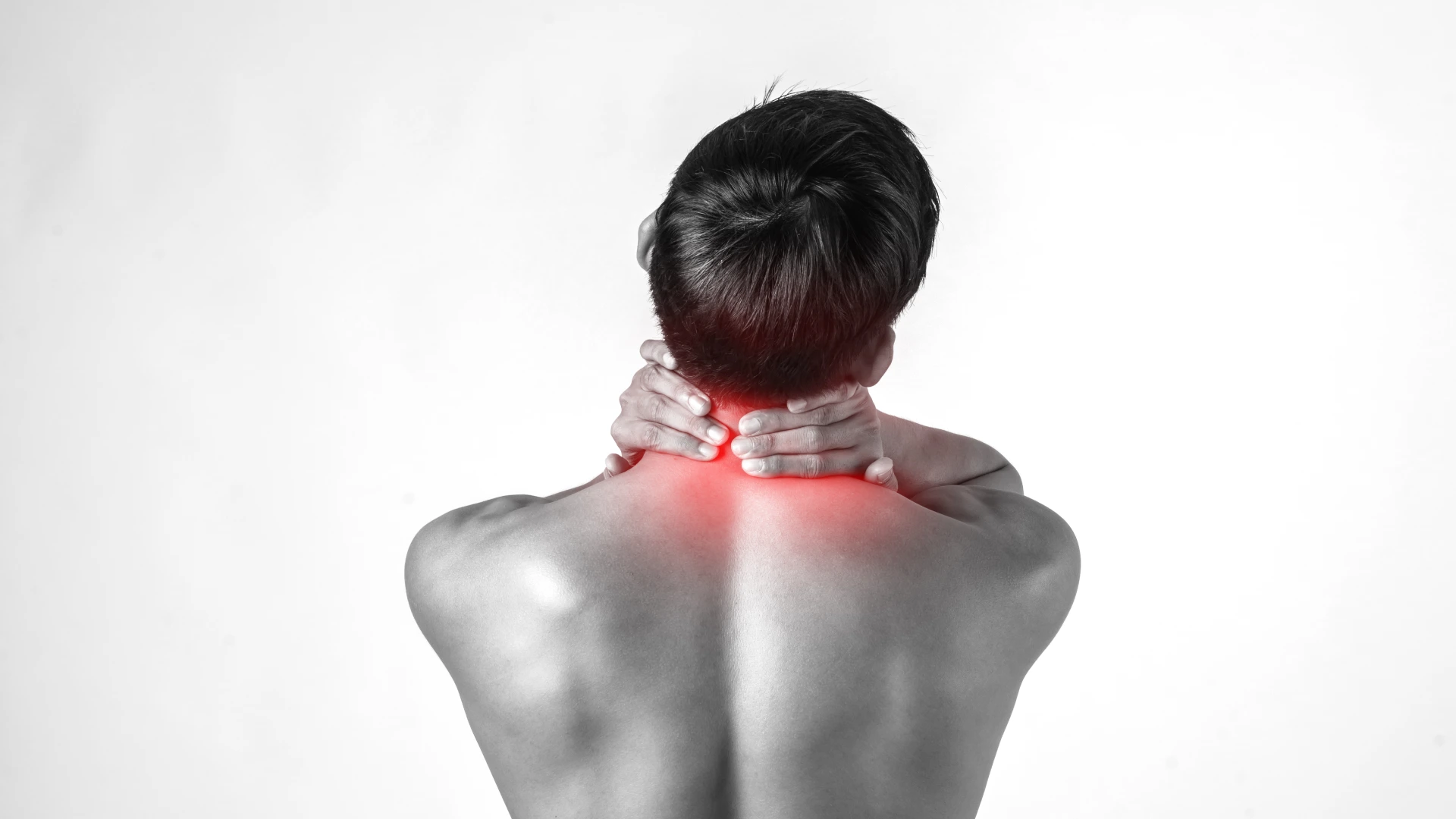
Neck pain is often brushed off as poor posture, long screen hours, or a bad night’s sleep. But what if your neck pain is burning, shooting, or spreading into your arms or head?
That’s when the cause may not be muscular at all—but neurological.
Neurological neck pain signals that nerves in the cervical spine are irritated, compressed, or damaged, and ignoring it can lead to long-term complications.
Let’s understand it in a way that empowers you to act early.
What Is Neurological Neck Pain?
Neurological neck pain occurs when the cervical nerves or spinal cord are affected. Instead of staying localized, the pain often travels along nerve pathways, producing symptoms far beyond the neck.
This type of pain doesn’t behave like a simple muscle strain—it communicates distress from your nervous system.
How Is It Different from Regular Neck Pain?
Ask yourself:
- Does your neck pain radiate to the shoulder, arm, or fingers?
- Do you feel tingling, numbness, or electric-shock sensations?
- Is there weakness in your hands or grip?
- Do you get headaches starting from the neck?
If yes, your pain is likely neurological, not mechanical.
Common Causes of Neurological Neck Pain
Several conditions can affect the nerves in the cervical spine:
🔹 Cervical Disc Herniation
A bulging or slipped disc compresses nearby nerves, causing pain that travels into the arms.
🔹 Cervical Spondylosis
Age-related wear and tear lead to bone spurs and nerve compression.
🔹 Cervical Radiculopathy
Inflammation or compression of a nerve root causes sharp, radiating pain.
🔹 Spinal Canal Narrowing (Cervical Stenosis)
A reduction in space around the spinal cord can result in pain, stiffness, and neurological symptoms.
🔹 Nerve Injury or Trauma
Whiplash or accidents can damage cervical nerves.
🔹 Inflammatory or Infectious Conditions
Less common but serious causes require urgent treatment.
Warning Symptoms You Should Not Ignore
Neurological neck pain often comes with red-flag signs, such as:
- Persistent burning or stabbing pain
- Numbness or tingling in arms or hands
- Loss of hand coordination or fine motor skills
- Weakness or heaviness in limbs
- Balance issues or frequent falls
🚨 These symptoms indicate nerve involvement and need prompt medical evaluation.
How Is Neurological Neck Pain Diagnosed?
Accurate diagnosis involves more than routine imaging:
- Detailed neurological examination
- MRI of the cervical spine
- CT scan when needed
- Nerve conduction studies (NCV)
- Electromyography (EMG) to assess nerve health
Early diagnosis significantly improves outcomes.
Treatment Options: Addressing the Nerve, Not Just the Pain
Treatment is tailored to the cause and severity.
🩺 Conservative Treatment
- Medications targeting nerve pain
- Physiotherapy and cervical stabilization
- Posture correction and ergonomic changes
💉 Interventional Therapies
- Cervical epidural injections
- Targeted nerve blocks
🧠 Advanced & Surgical Care
- Minimally invasive cervical spine surgery
- Decompression procedures for severe nerve compression
The goal is not temporary relief—but nerve recovery and functional restoration.
Can Neurological Neck Pain Be Prevented?
You can reduce risk by:
- Maintaining proper posture during screen use
- Avoiding prolonged neck flexion
- Strengthening neck and upper back muscles
- Taking breaks from digital devices
- Seeking early care for recurring neck pain
Small changes today can prevent major problems tomorrow.
When Should You See a Specialist?
Consult a neurologist or spine specialist if:
- Pain persists beyond 2–3 weeks
- Symptoms worsen or spread to the arms
- There is weakness, numbness, or coordination loss
- Daily activities become difficult
Delaying care can lead to irreversible nerve damage.
Final Thought: Your Neck Protects More Than Movement
The cervical spine is a critical neurological pathway connecting your brain to your body. Pain here is not something to “push through.”
Neurological neck pain is a signal, not a setback. Listening early can preserve strength, sensation, and quality of life.