Meningitis: A Complete, Clear, and Actionable Guide
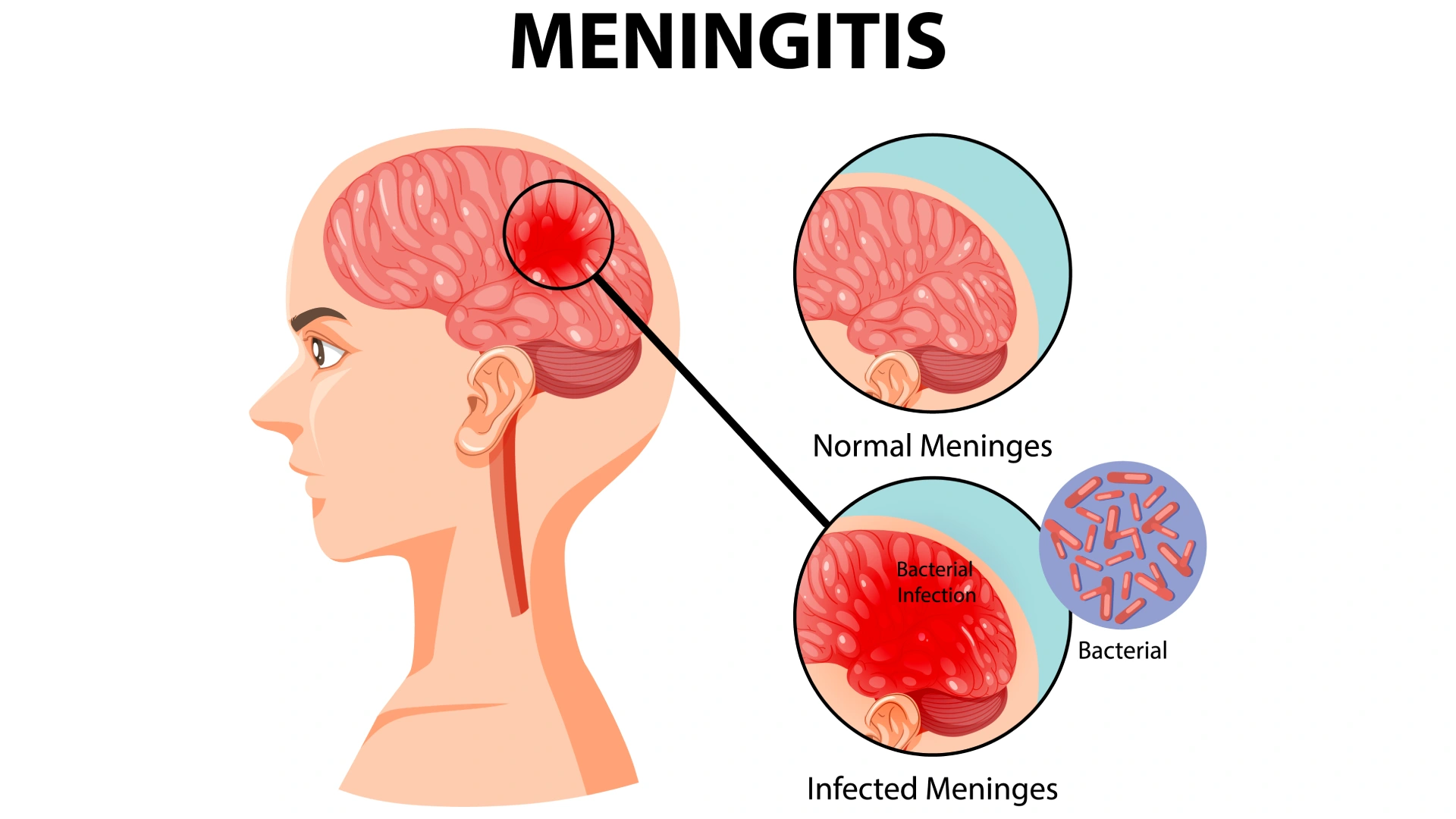
Meningitis may sound like a complex medical term, but at its core, it refers to inflammation of the protective membranes (meninges) that surround the brain and spinal cord. Infections or other underlying medical conditions can cause this inflammation and can progress rapidly, making prompt recognition and response critical.
Let’s walk through what meningitis is, how it develops, its symptoms, how it’s diagnosed, and the best approaches to treatment and prevention.
What Is Meningitis?
Meningitis occurs when the meninges—thin layers of tissue covering the brain and spinal cord—become irritated and inflamed. This inflammation puts pressure on the central nervous system, which can disrupt normal brain and spinal cord function.
While meningitis can occur at any age, infants, young children, adolescents, and older adults are at higher risk. Its speed and severity vary greatly depending on the cause and overall health of the person affected.
What Causes Meningitis?
Meningitis has several possible causes, broadly grouped into infectious and non-infectious:
1. Bacterial Meningitis
This is often the most severe form. Bacteria can enter the bloodstream and travel to the meninges. Common bacteria include:
- Neisseria meningitidis (meningococcal)
- Streptococcus pneumoniae (pneumococcal)
- Haemophilus influenzae type b (Hib)
Bacterial meningitis can develop rapidly and requires immediate medical attention.
2. Viral Meningitis
Viral infection is the most common but generally less severe form. Many viruses can cause meningitis, including enteroviruses, herpes simplex virus, and mumps virus. Most people recover fully without specific antiviral treatment.
3. Fungal Meningitis
This is relatively uncommon and usually occurs in people with weakened immune systems. Fungi like Cryptococcus can enter the body and reach the meninges.
4. Non-Infectious Meningitis
Inflammation may occur without infection, triggered by:
- Autoimmune conditions
- Certain medications
- Head injury
- Cancer
Non-infectious meningitis typically requires treatment of the underlying trigger.
Recognizing Symptoms: What to Watch For
Symptoms can come on suddenly or gradually, and they may vary with age and cause. Typical signs include:
- High fever
- Severe headache
- Neck stiffness
- Sensitivity to light (photophobia)
- Nausea and vomiting
- Confusion or altered mental status
- Sleepiness or difficulty waking
- Poor appetite or lethargy in infants
Many symptoms overlap with other illnesses, but when headache, fever, and neck stiffness occur together—especially suddenly—meningitis should be strongly suspected.
How Is Meningitis Diagnosed?
Prompt diagnosis is essential. Clinicians typically start with:
- Medical history and physical exam
Checking symptoms, vital signs, and neurological status. - Lumbar puncture (spinal tap)
This critical test collects cerebrospinal fluid (CSF) to detect infection and inflammation in the meninges. - Blood tests
To identify bacteria, viruses, or markers of systemic illness. - Imaging (CT or MRI)
To assess brain structure or complications when needed.
The combination of tests helps determine the cause—bacterial, viral, or other—and guides treatment.
Treatment: What to Expect
Bacterial Meningitis
This form is a medical emergency. Treatment includes:
- Hospitalization
- Intravenous (IV) antibiotics
- IV fluids and supportive care
- Possible corticosteroids to reduce inflammation
The choice of antibiotics depends on the bacterial species identified. Rapid treatment reduces risk of complications and death.
Viral Meningitis
Most cases are self-limited and improve with supportive care:
- Hydration
- Pain and fever control
- Rest
For specific viruses like herpes, antiviral medication may be prescribed.
Fungal and Non-Infectious Meningitis
These require tailored treatment based on the specific cause—antifungals for fungal infection or addressing the underlying medical trigger in non-infectious cases.
Complications and Long-Term Outcomes
Even with treatment, meningitis can lead to complications such as:
- Hearing loss
- Neurological deficits
- Seizures
- Cognitive impairment
- Limb weakness
Early diagnosis and treatment reduce the risk of long-term effects. Follow-up care often includes rehabilitation services when needed.
Prevention: Vaccines and Awareness
Vaccination is one of the most effective prevention tools:
- Meningococcal vaccines protect against Neisseria meningitidis
- Pneumococcal vaccines reduce risk of Streptococcus pneumoniae infection
- Hib vaccine dramatically reduced cases of Haemophilus influenzae type b
Maintaining good hygiene—such as frequent hand washing—and seeking early care for suspected symptoms also reduce spread and severity.
When to Seek Immediate Help
Seek emergency care if someone has:
- Sudden fever and severe headache
- Neck stiffness
- Confusion or difficulty conscious
- Rapid symptom progression
- Seizures
Prompt medical attention can be lifesaving.
A Final Word: Knowledge Saves Lives
Meningitis can be frightening, but understanding its signs, causes, and treatments empowers you to respond quickly and confidently. Whether through vaccination, early medical care, or supportive treatment, taking informed action helps protect individuals and communities.