Congenital Brain & Spinal Cord Disorders: A Comprehensive and Accessible Guide
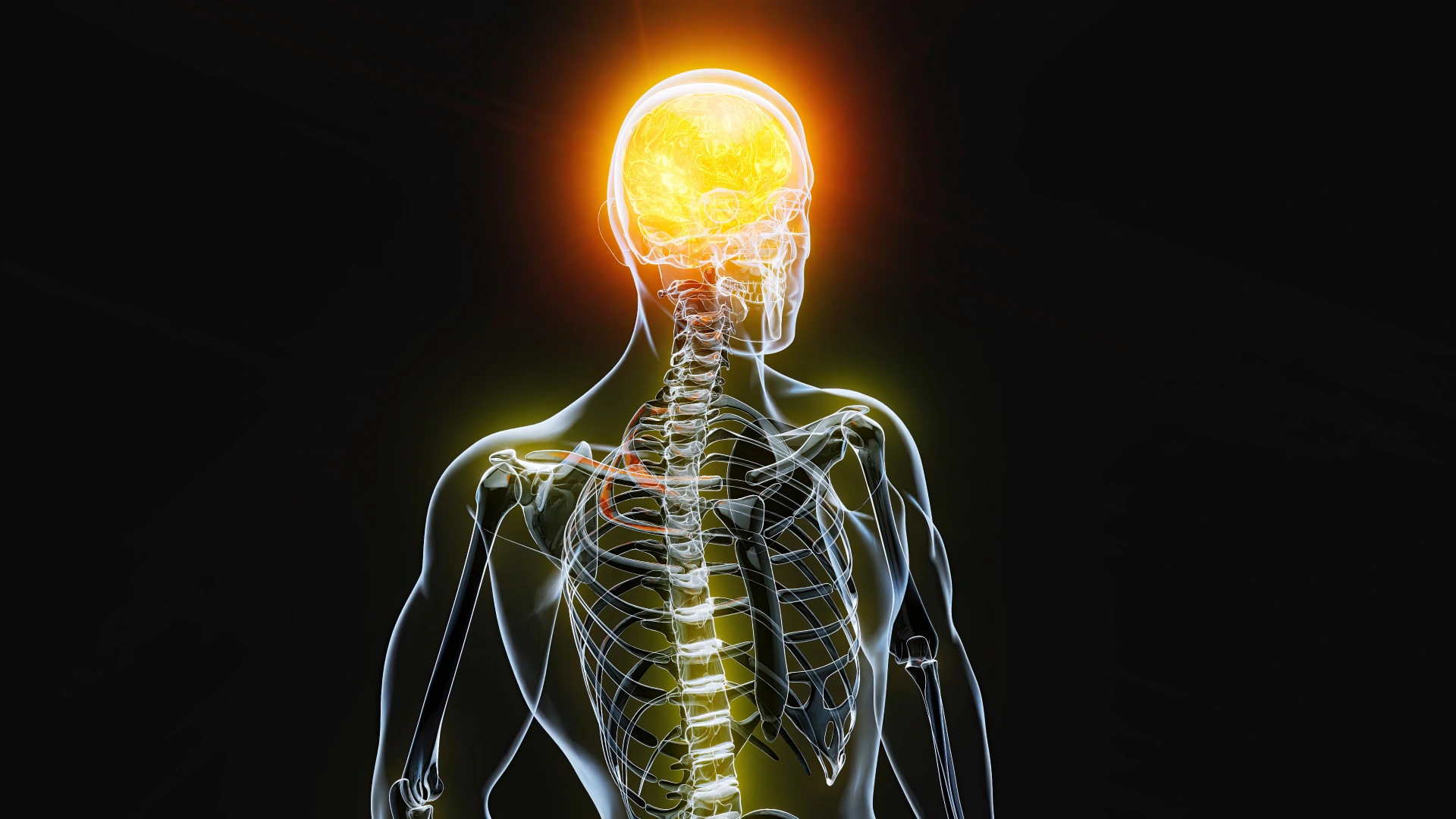
Imagine building a complex machine in the womb—millions of parts must align perfectly to form the brain and spinal cord. Even small interruptions during this process can lead to congenital disorders—conditions present at birth that affect the central nervous system (CNS). Congenital brain and spinal cord disorders span a spectrum of conditions, from structural anomalies to functional impairments, and they can affect cognitive, motor, and sensory development.
This article explains what these disorders are, how they develop, common signs and symptoms, diagnosis, treatment approaches, and ways families can navigate care.
What Is Congenital Brain & Spinal Cord Disorders?
Congenital brain and spinal cord disorders are structural or functional abnormalities of the brain, spinal cord, or their protective coverings that are present at birth — whether caused by genetic factors, environmental exposures, or a combination of both. These conditions may range from mild to severe and can affect movement, learning, sensation, coordination, and independence.
How Do These Disorders Develop? Key Mechanisms
The brain and spinal cord develop rapidly in the embryo, especially during the first trimester. Disruptions at critical developmental stages can result from:
- Genetic abnormalities (inherited or spontaneous mutations)
- Nutritional deficiencies (e.g., low maternal folate)
- Maternal infections (e.g., Zika virus, rubella)
- Exposure to toxic substances (certain medications, alcohol)
- Physical disruptions in utero
- Unknown multifactorial causes
Because development is highly coordinated, several different influences can affect multiple aspects of the CNS simultaneously.
Common Congenital Brain & Spinal Cord Disorders
Here are some key disorders often encountered in clinical practice:
1. Neural Tube Defects (NTDs)
Neural tube defects arise when the neural tube — the embryonic structure that becomes the brain and spinal cord — fails to close properly early in pregnancy.
- Spina bifida: Incomplete closure of the spinal column, leading to varying degrees of spinal cord exposure and nerve dysfunction.
- Anencephaly: A severe defect where large parts of the brain and skull do not develop; this condition is typically fatal shortly after birth.
Folate deficiency before and in early pregnancy is a well-established risk factor, and folic acid supplementation reduces NTD risk substantially.
2. Hydrocephalus
Hydrocephalus refers to excess cerebrospinal fluid (CSF) within the brain’s ventricles, causing increased pressure on brain tissue. It can be present at birth or develop after an NTD or infection. Symptoms often include an abnormally large head size, vomiting, irritability, and delayed milestones.
3. Cerebral Dysgenesis
This term refers to abnormal formation of the brain’s structure, often involving cortical malformations. Examples include lissencephaly (“smooth brain”), polymicrogyria (excess small folds), and others. These conditions frequently impair cognition, movement, and seizure thresholds.
4. Chiari Malformations
In Chiari malformations, part of the cerebellum herniates through the opening at the base of the skull into the spinal canal. This can interfere with the flow of cerebrospinal fluid and compress neural structures, leading to headaches, balance problems, or weakness.
5. Congenital Spinal Cord Anomalies
Besides spina bifida, other spinal cord malformations may include tethered cord syndrome (when the spinal cord is abnormally attached and stretched) and sacral agenesis (underdevelopment of the lower spine). These can affect bladder, bowel, movement, and sensation.
Signs and Symptoms: How Families May Notice a Problem
Presentations vary widely, but common warning signs include:
- Delayed motor milestones (rolling, sitting, walking)
- Poor muscle tone or weakness
- Abnormal head size (too large or too small for age)
- Seizures
- Feeding difficulties and poor growth
- Coordination or balance problems
- Bladder or bowel dysfunction
- Cognitive or developmental delays
Some signs are present at birth, while others emerge as the child grows.
Diagnosis: How Clinicians Identify Congenital CNS Disorders
Diagnosis typically involves:
- Prenatal screening and ultrasound for structural anomalies
- Genetic testing when syndromes or inheritance patterns are suspected
- Neuroimaging (MRI or CT) to visualize brain and spinal cord structure
- Neurological and developmental evaluations
- Electroencephalography (EEG) when seizures are present
A multidisciplinary approach ensures accurate diagnosis and tailored intervention planning.
Treatment and Management
There is no one-size-fits-all treatment. Care depends on the specific disorder, severity, and individual needs:
Surgical Interventions
- Repair of spina bifida defects
- Shunt placement for hydrocephalus
- Decompression surgery for Chiari malformation
Early surgical intervention can prevent complications and improve quality of life.
Therapies and Support
- Physical therapy to build strength and mobility
- Occupational therapy to enhance independence
- Speech and language therapy for communication delays
- Behavioral and developmental support
These therapies are often lifelong and adaptive as the child grows.
Medical Management
Some conditions require:
- Anticonvulsants for seizures
- Management of bladder and bowel function
- Monitoring for orthopedic complications
- Nutritional support and vitamin supplementation
Prevention: What Expectant Parents Can Do
Although not all congenital CNS disorders can be prevented, evidence shows that:
- Folic acid supplementation before conception and early in pregnancy significantly reduces the risk of neural tube defects.
- Good prenatal care helps detect and manage risk factors.
- Avoiding harmful substances (alcohol, tobacco, certain medications) during pregnancy reduces risk.
Early risk assessment and education empower families to make informed health decisions.
Living With a Congenital CNS Disorder: Practical Considerations
Families often partner with a multidisciplinary care team, including:
- Pediatric neurologists
- Neurosurgeons
- Rehabilitation therapists
- Developmental specialists
- Genetic counselors
Ongoing monitoring and adaptive supports (educational, physical, emotional) help children reach their potential.
Community resources, support groups, and early intervention programs are valuable elements of comprehensive care.
Conclusion: Knowledge, Early Action, and Support Matter
Congenital brain and spinal cord disorders encompass a diverse range of conditions with varying causes and outcomes. Early detection through screening and attentive developmental monitoring, combined with individualized medical and therapeutic support, can optimize function and quality of life.